




Understanding Your Car's Electrical System: Key Components and Functions
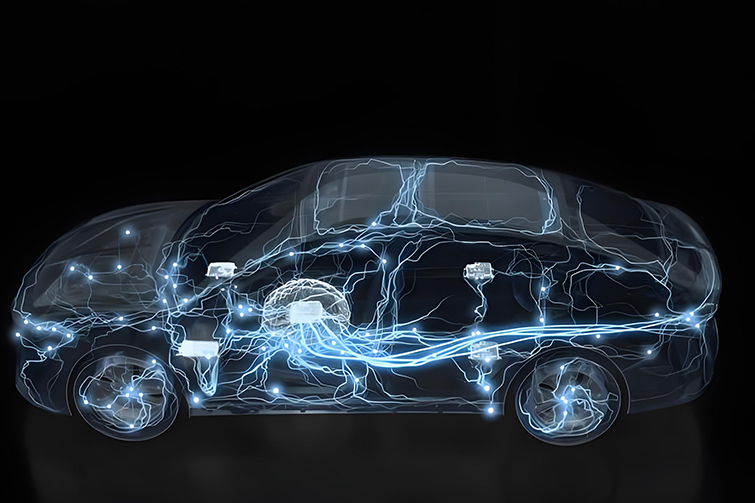
The modern automobile is a complex network of systems where electronics play an increasingly central role. A vehicle's electrical system is its nervous system and lifeblood, responsible for starting the engine, powering accessories, managing critical functions, and enabling modern safety and infotainment features. Understanding its core components provides insight into how your car operates. Here are the main parts of a typical automotive electrical system.
Core Components and Their Roles:
- Battery: The system's heart and primary energy reservoir. It provides the high-current burst needed to start the engine (via the starter) and supplies power to all electrical components when the engine is off. It also stabilizes voltage in the system.
- Alternator: The system's power generator. Once the engine is running, the alternator (driven by a belt) converts mechanical energy into electrical energy. It recharges the battery and powers all electrical devices while the engine is on, ensuring the system is self-sustaining.
- Starter Motor: A powerful electric motor that engages with the engine's flywheel to crank and start the engine when you turn the ignition key or press the start button. It draws a significant amount of current from the battery.
- Wiring Harness & Fuses/Relays: The system's circulatory and protective network.Wiring Harness: A complex bundle of wires, connectors, and terminals that routes power and signals throughout the vehicle.Fuses: Protect circuits by melting and breaking the circuit in case of an overcurrent (short circuit or overload), preventing damage to wires and components.Relays: Electrically operated switches that allow a low-current circuit (e.g., from a dashboard switch) to control a high-current circuit (e.g., headlights, fuel pump), protecting delicate control switches.
- Ignition System (for Gasoline Engines): Responsible for generating the spark to ignite the air-fuel mixture. Key electrical parts include:Ignition Coil: Transforms the battery's low voltage (12V) into the high voltage (thousands of volts) needed to create a spark.Spark Plugs: Receive the high voltage from the coil and generate the electric spark inside the combustion chamber.
- Sensors and Actuators: The system's senses and muscles.Sensors: Monitor various parameters (e.g., engine speed, oxygen content in exhaust, coolant temperature, throttle position, wheel speed) and send data to the control modules. Examples: Crankshaft Position Sensor, Oxygen (O2) Sensor, Mass Air Flow (MAF) Sensor.Actuators: Receive commands from control modules and perform physical actions. Examples: Fuel Injectors (electrically operated valves), Idle Air Control (IAC) Valve, Electric Cooling Fan, Solenoids in the transmission.
- Electronic Control Units (ECUs): The system's brains. These are dedicated computers that process data from sensors and control actuators to manage specific systems.Engine Control Unit (ECU/PCM): The most critical, managing fuel injection, ignition timing, and emissions.Other Modules: Include the Transmission Control Module (TCM), Anti-lock Braking System (ABS) Module, Body Control Module (BCM) for lights/windows, and Airbag Control Module.
- Lighting System: Includes all interior and exterior lights—headlights (often with complex HID or LED drivers), taillights, brake lights, turn signals, and dashboard illumination—all controlled by switches and relays.
- Accessories & Infotainment: This encompasses a wide range of comfort and convenience features powered by the electrical system, such as the audio system, navigation, power windows, power seats, climate control blower motor, and windshield wipers.
The Workflow: A Simple Example (Starting the Car)
- You turn the key (ignition switch sends a signal).
- The battery supplies high current to the starter motor via a heavy-duty cable and a starter relay.
- The starter cranks the engine.
- As the engine runs, the crankshaft position sensor sends data to the ECU.
- The ECU commands the fuel injectors and ignition coils (based on data from other sensors) to start combustion.
- Simultaneously, the alternator begins charging the battery and powering the system.
Conclusion
From the fundamental battery-starter-alternator trio to the sophisticated network of sensors and computers, the automotive electrical system is integral to performance, efficiency, safety, and comfort. Regular checks of the battery, alternator output, and clean electrical connections are vital for reliability. As vehicles evolve toward electrification and greater autonomy, the role of this system only becomes more complex and critical.
For reliable performance, always ensure your vehicle is equipped with high-quality electrical components. At Huili Auto Parts, we supply a comprehensive range of durable electrical parts—from batteries and alternators to sensors and wiring products—that meet stringent international standards, helping to keep your vehicle's vital systems running smoothly.