




Understanding Your Car's Engine: Key Components and Their Functions
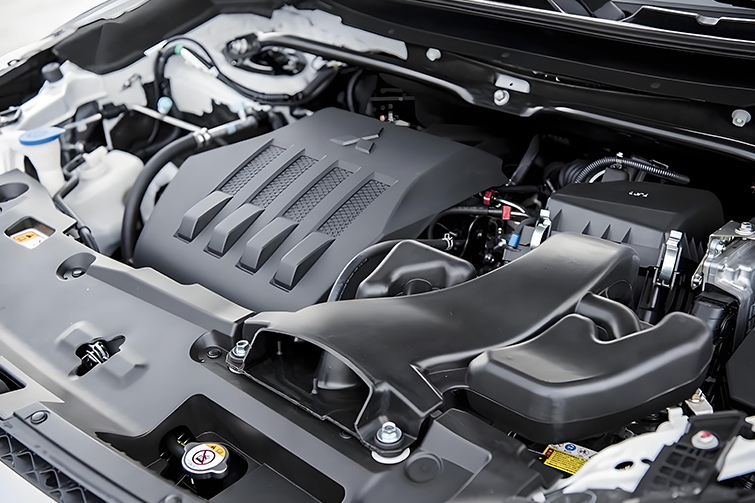
The automotive engine is a complex marvel of modern engineering, often described as the "heart" of the vehicle. It is a sophisticated system that converts fuel into the mechanical energy required for propulsion. Understanding its primary components is essential for appreciating how your vehicle operates. Here is a breakdown of the general parts found in a typical car engine system.
Core Components and Their Roles:
- Engine Block (Cylinder Block): This is the engine's foundation. Typically made from cast iron or aluminum, it houses the cylinders and provides the structure for many other components. Within the block, the cylinders are the chambers where fuel is burned and power is generated.
- Pistons: These are cylindrical components that move up and down inside the engine cylinders. The force of combustion pushes the pistons down, and this linear motion is the primary source of the engine's power.
- Crankshaft: Located at the bottom of the engine block, the crankshaft converts the linear (up-and-down) motion of the pistons into rotational motion. This rotation is ultimately transferred to the wheels via the drivetrain.
- Connecting Rods (Conrods): These rods connect the pistons to the crankshaft. They play a crucial role in transferring the force from the piston's movement to the crankshaft.
- Cylinder Head: Mounted on top of the engine block, the cylinder head seals the top of the cylinders. It contains critical elements such as the valves, valve springs, and often the camshaft(s). It also forms the combustion chamber where the air-fuel mixture is ignited.
- Valvetrain System: This system controls the flow of air and fuel into the cylinders and exhaust gases out. Key parts include:Camshaft(s): A shaft with egg-shaped lobes that rotates to open and close the valves at precise intervals.Valves: Intake valves let the air-fuel mixture in, and exhaust valves let burnt gases out.Valve Springs: These ensure the valves close properly after being opened by the camshaft.
- Timing Belt/Chain: This critical component synchronizes the rotation of the crankshaft and the camshaft(s). This ensures the valves open and close at exactly the right time in relation to the piston position.
- Lubrication System: Composed of an oil pump, oil pan (sump), and a network of galleries, this system circulates engine oil to lubricate moving parts (like pistons, crankshaft, and camshaft), reduce friction, cool components, and clean internal surfaces.
- Fuel System: This system stores, delivers, and prepares fuel for combustion. Key parts include the fuel tank, fuel pump, fuel injectors (which spray a precise amount of fuel into the intake manifold or cylinder), and sometimes a carburetor in older engines.
- Ignition System: In gasoline engines, this system generates a high-voltage spark to ignite the compressed air-fuel mixture in the cylinders. It typically includes spark plugs, ignition coils, and a control module.
- Cooling System: Prevents the engine from overheating. It consists of a radiator, water pump, thermostat, and coolant. Coolant circulates through passages in the engine block and cylinder head, absorbing heat and dissipating it through the radiator.
- Intake System: Responsible for providing clean air to the engine. It includes the air filter, air intake duct, and the intake manifold which distributes air (or air-fuel mixture) to each cylinder.
- Exhaust System: Channels burnt gases away from the engine, reduces noise, and treats emissions. It comprises the exhaust manifold, catalytic converter, muffler, and exhaust pipes.
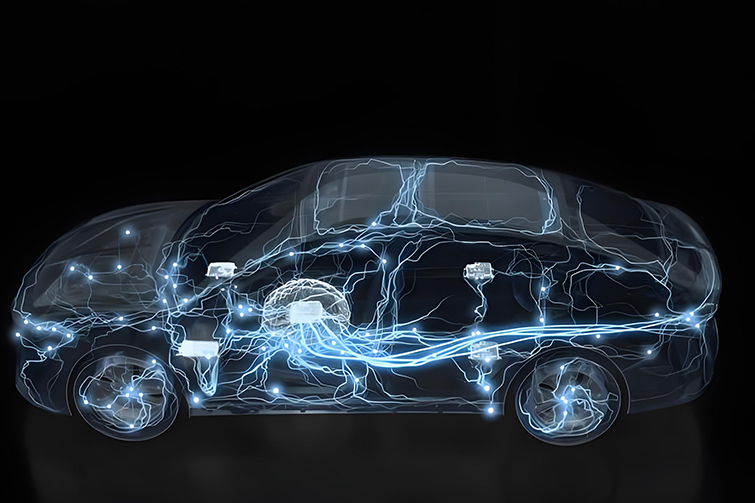
- Engine Control Unit (ECU): The engine's "brain." This computer constantly monitors sensors (for oxygen, temperature, throttle position, etc.) and controls actuators (like fuel injectors and the ignition system) to optimize performance, fuel efficiency, and emissions.
Conclusion
From the sturdy engine block to the sophisticated electronic controls, each component in an engine system plays a vital role in a harmonious process of converting fuel into motion. Regular maintenance using quality parts—such as the engine components, filters, and gaskets we supply at Huili Auto Parts—is crucial for ensuring the longevity, efficiency, and reliability of this complex system. Understanding these basics helps drivers appreciate the engineering under the hood and make informed decisions about vehicle care.